Torque by Ryder


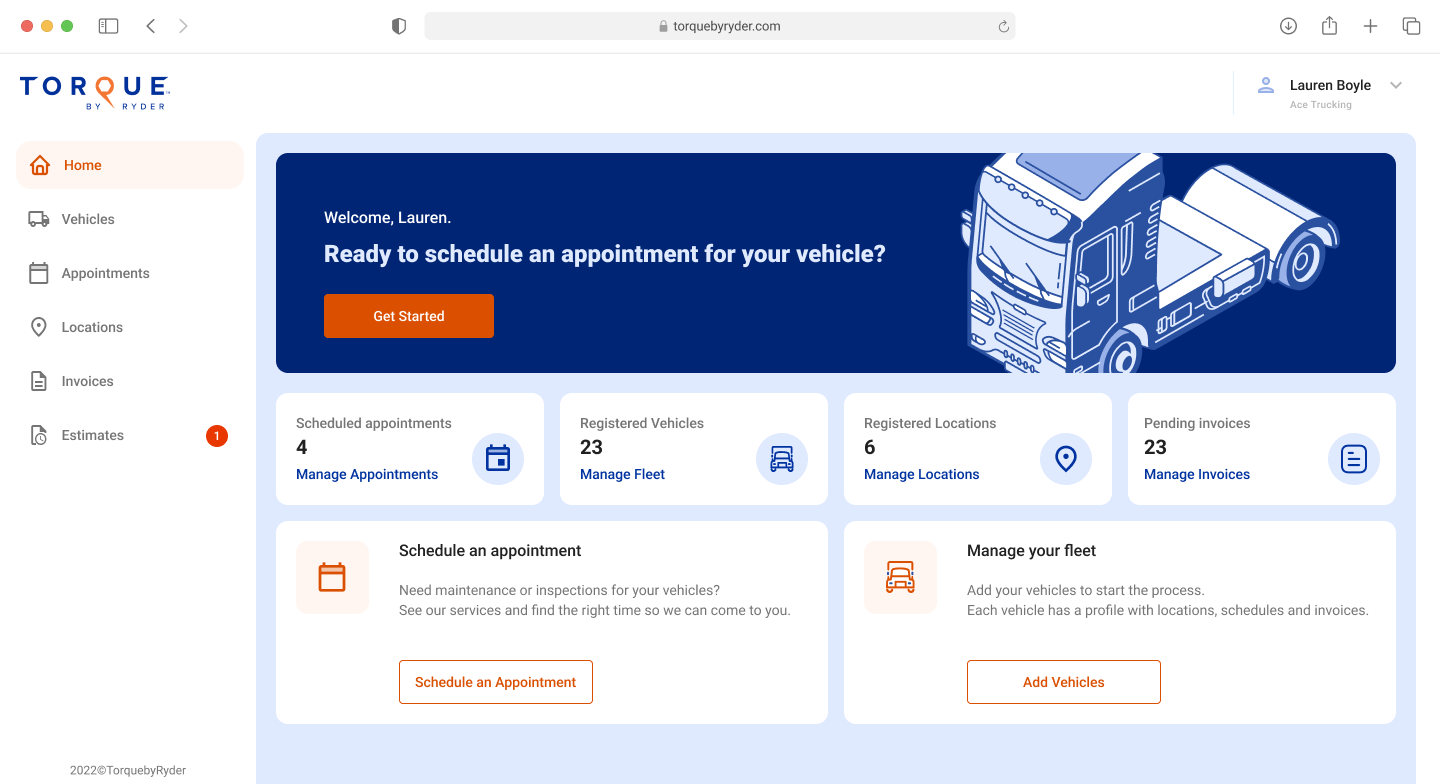
In 2021 with Torque by Ryder, we embarked on a project to enhance the user experience for their fleet maintenance scheduling software. Torque by Ryder was designed specifically for trucking fleet operators, the software facilitates efficient, on-site maintenance scheduling, enabling companies to keep their vehicles in optimal condition with minimal downtime.
Customer Insights & Ideation

I partnered with three project managers and another lead designer to uncover insights by conducting heuristic evaluations of the current application and interviewing technicians and customers. These insights informed design decisions.

UI/UX Design

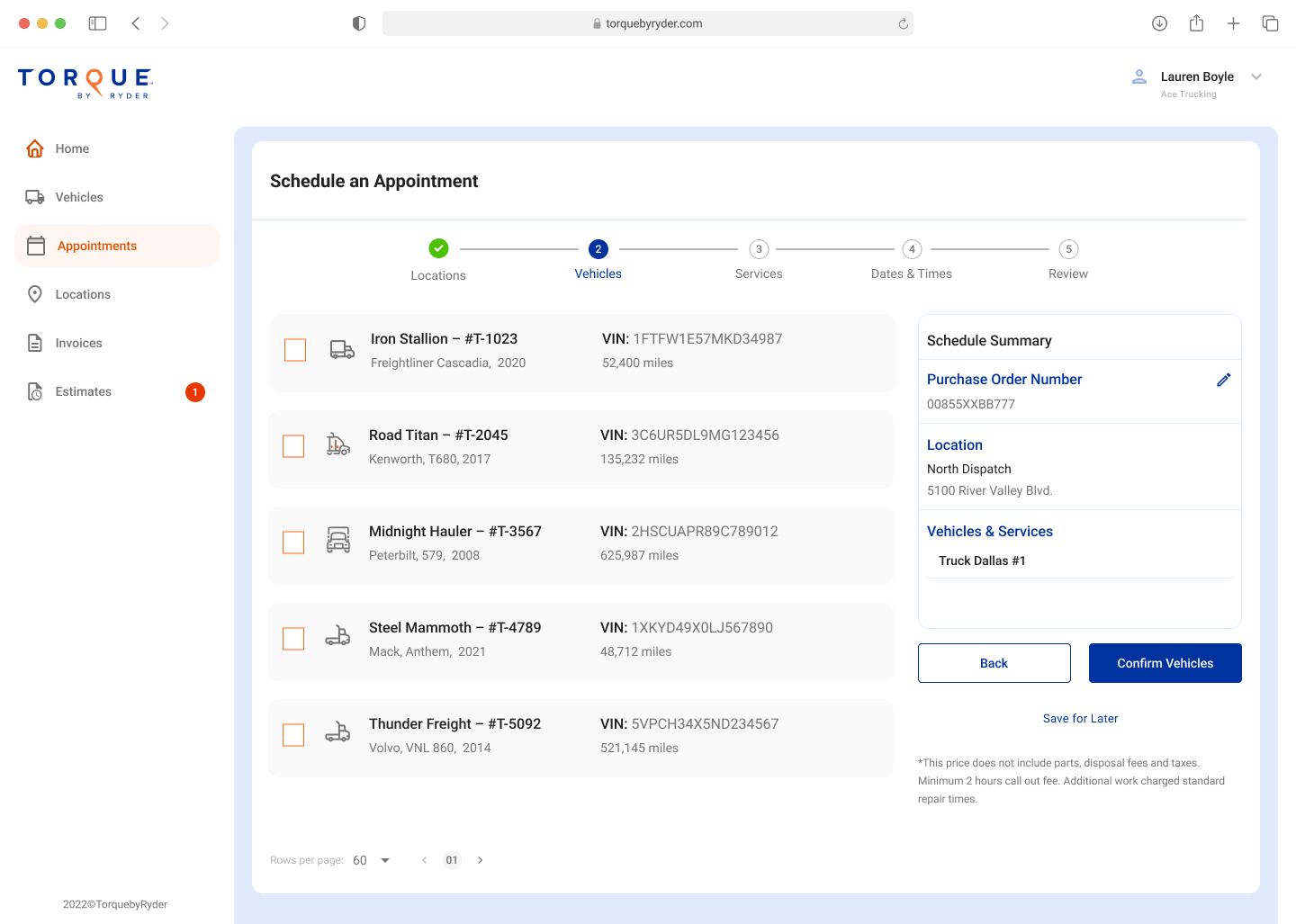
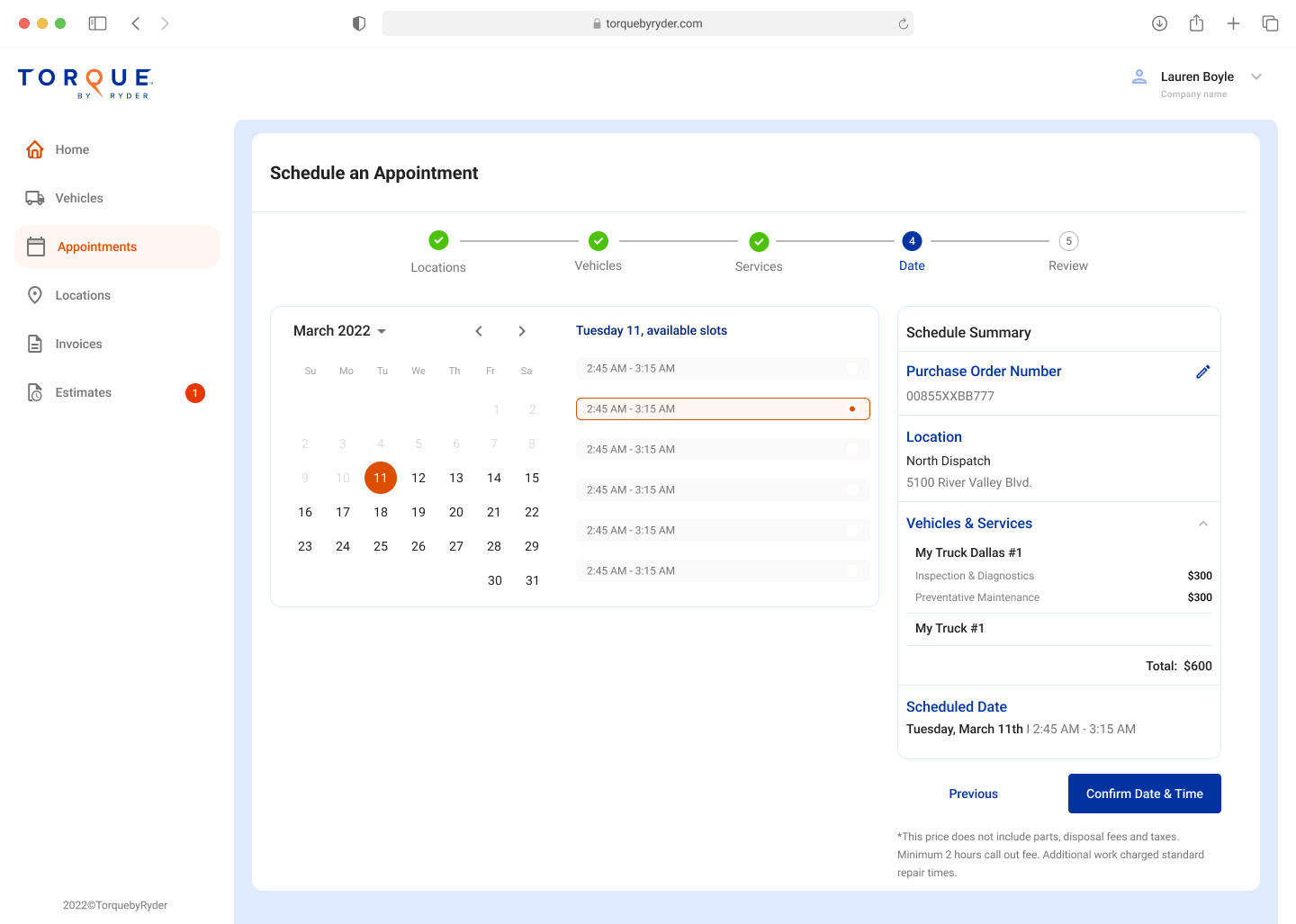
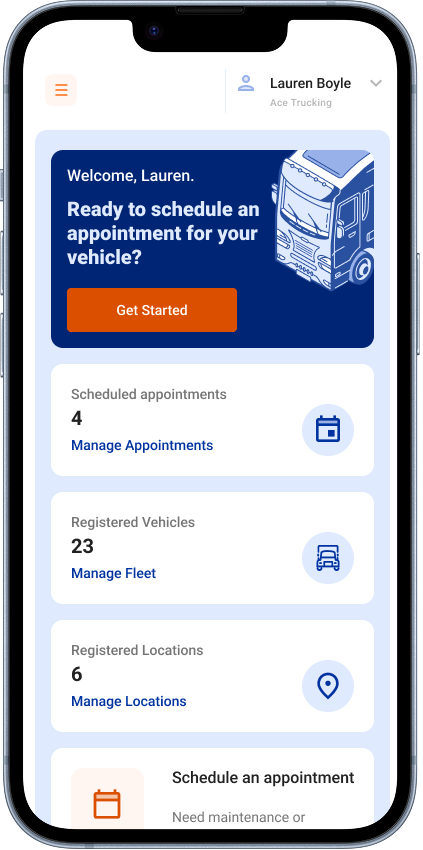
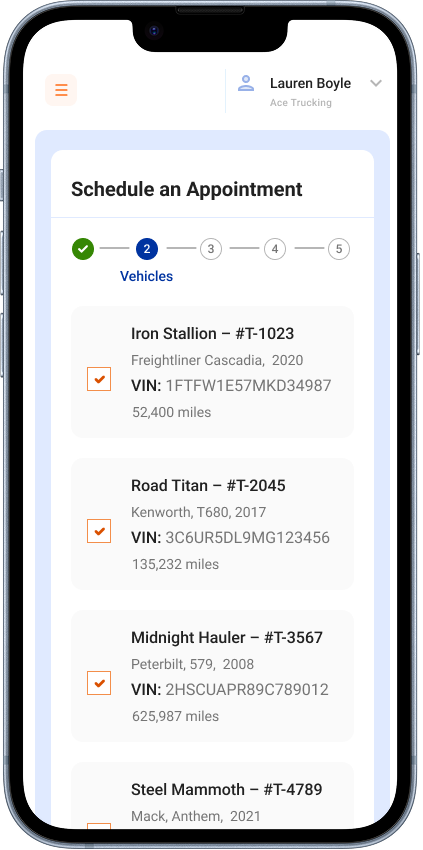
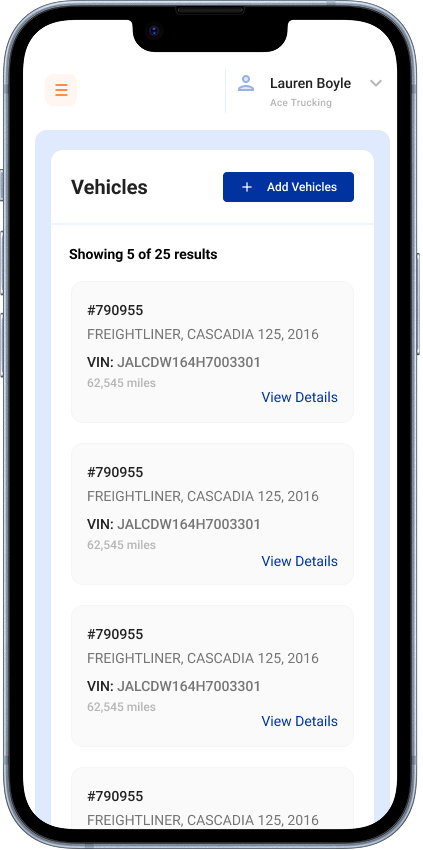
I created the UX strategy, wireframes and high-fidelity prototypes and design guidelines to share the vision.

Leadership

I worked with multiple front-end developers to provide feedback on development to ensure the developed site matched the designs created in Figma.

Discovery

The discovery phase was essential to understand the current state of the application, uncover usability issues, and gather insights into how users interacted with the product. This phase involved multiple research methods to ensure a comprehensive understanding of the user experience and the business processes involved.

Heuristic Analysis

A heuristic evaluation was conducted to assess the application’s user interface against established usability principles. This analysis helped identify usability flaws such as inconsistent navigation, unclear calls to action, and inefficient workflows that could potentially hinder users from achieving their goals quickly and easily. The findings from this analysis provided a foundational understanding of where improvements were needed.

Documenting the journey

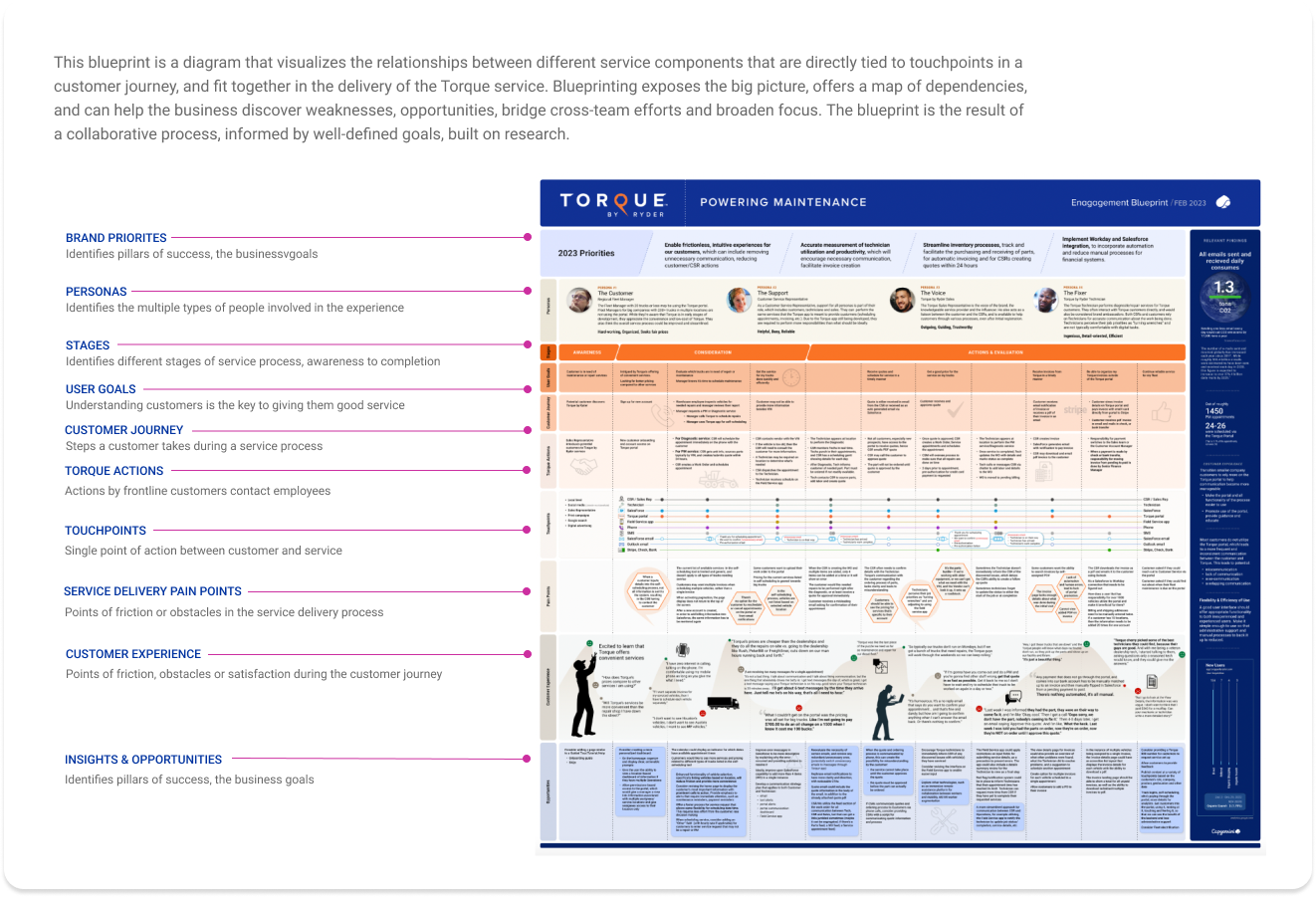
We created an experience map to visualize the business processes involved in customer interactions with the application. This map detailed the user journey across critical touchpoints, including managing vehicles, accessing customer support, and processing invoice payments. By mapping out these processes, we further identified key pain points, inefficiencies, and opportunities for improvement, ensuring that design changes would address the broader business context.

Understanding our customers

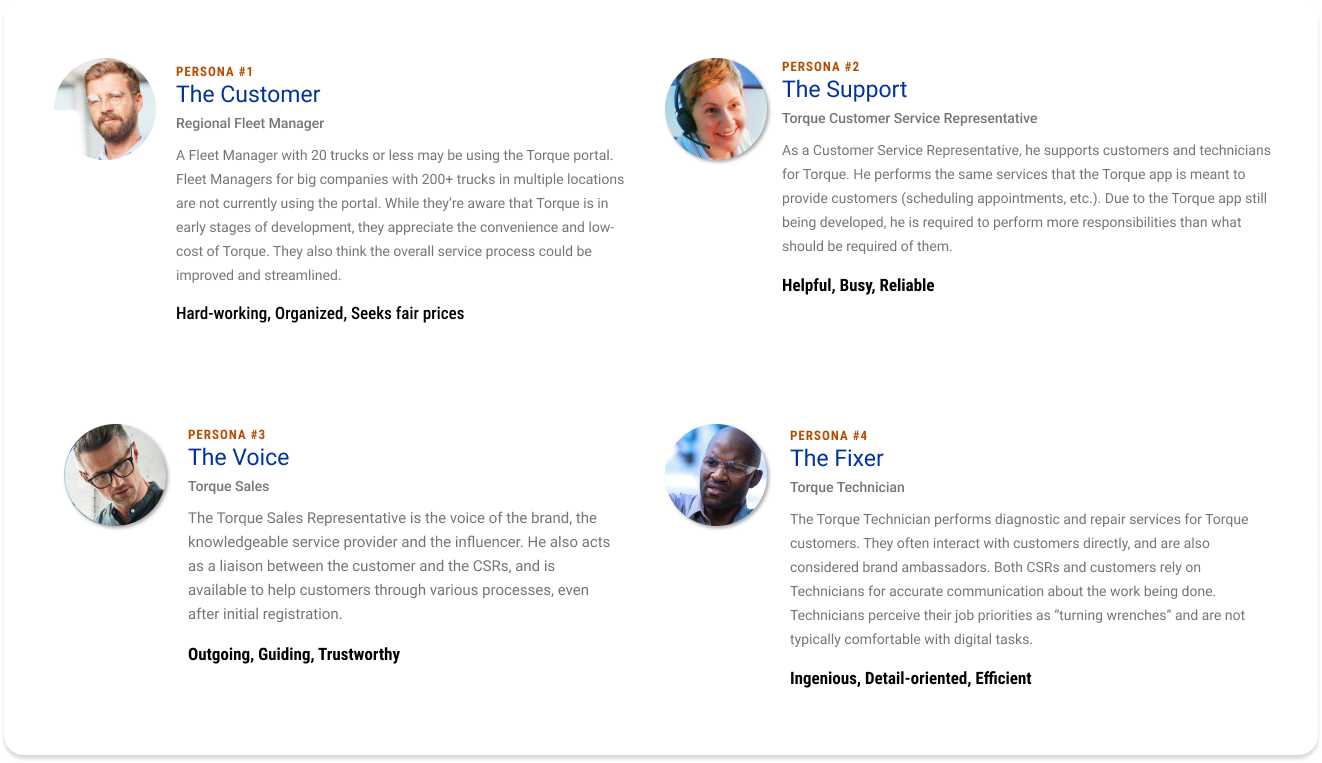
We conducted in-depth interviews with a diverse set of users—ranging from long-time customers to new users—to gather qualitative feedback about their experiences with the application. These interviews focused on understanding their pain points, frustrations, and what they valued most in the application. Themes such as difficulty in scheduling service, confusion around the customer support process, and issues with paying invoices were consistently highlighted as areas of concern.  Each interview led to a deeper understanding of the customer archetypes that would use the application.

The Approach

The discovery phase was essential to understand the current state of the application, uncover usability issues, and gather insights into how users interacted with the product. This phase involved multiple research methods to ensure a comprehensive understanding of the user experience and the business processes involved.

Research

The design thinking process is user-centric. It starts with an understanding or the users.

We provided:

  • User Interviews
  • Customer Engagement Map
Ideation and Design

We generated ideas, user flows, visual designs and prototypes based on defined goals and customer branding

We provided:

  • Brainstorming
  • User flows
  • Wireframes
  • Hi-fidelity mockups
  • Prototypes
Testing

We tested design solutions with end customers and stakeholders to validate the user experience.

 We provided:

  • Usability testing
  • Concept testing
Development

We worked closely with developers to ensure the final output matched the original vision.

We provided

  • Developed code

Vision

The discovery phase was essential to understand the current state of the application, uncover usability issues, and gather insights into how users interacted with the product. This phase involved multiple research methods to ensure a comprehensive understanding of the user experience and the business processes involved.

Featured work